The Future of Car Safety

Owen Murphy
| 31-12-2025
 · Automobile team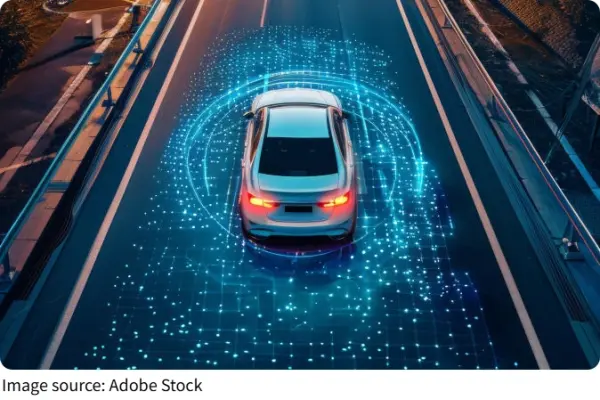
Imagine driving down a busy street when suddenly, your car alerts you about an approaching vehicle from behind that you can't even see yet.
Or picture your car automatically slowing down because it knows a red light is just around the corner, even before you can spot it. Sounds futuristic, right?
Well, that's the power of V2X (Vehicle-to-Everything) technology. It's a game changer in making cars smarter and our roads safer.
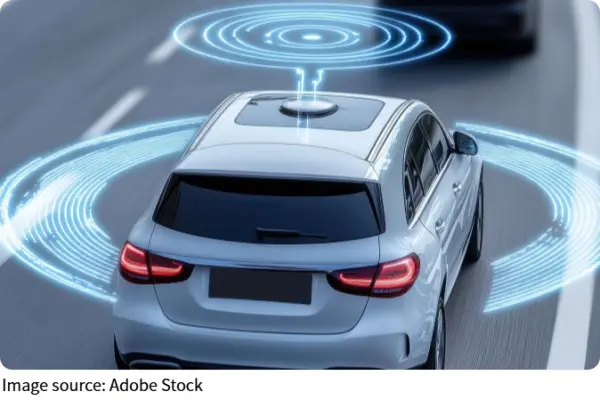
V2X is a communication system that allows vehicles to talk to each other and to their surroundings—everything from traffic lights and pedestrians to other cars and infrastructure. This technology holds the potential to reduce accidents, improve traffic flow, and enhance the overall driving experience.
How V2X Works
At the heart of V2X technology lies the ability to send and receive data in real-time between the vehicle and various external elements. This exchange of information happens through wireless networks and sensors embedded in the vehicle.
1. Vehicle-to-Vehicle (V2V)
V2V allows cars to communicate directly with each other. For example, if one car suddenly brakes, the system can alert nearby vehicles to slow down, reducing the likelihood of rear-end collisions. A real-life example could be a scenario where a driver is caught off guard by a sudden stop in traffic. The V2V system could warn the driver or even initiate emergency braking to prevent a crash.
2. Vehicle-to-Infrastructure (V2I)
V2I connects cars to road infrastructure, such as traffic lights, signs, and sensors. This could allow a car to "know" when a light is about to turn red or green, allowing for smoother transitions through intersections and potentially reducing traffic jams. Imagine driving through a busy city where every stoplight turns green as you approach, without the need to slow down!
3. Vehicle-to-Pedestrian (V2P)
Pedestrian safety is another area where V2X excels. Sensors can detect pedestrians crossing the street and warn nearby drivers, even if the pedestrian is out of sight. This could be especially useful in areas with high foot traffic or in situations where visibility is poor, like foggy mornings or nighttime driving.
4. Vehicle-to-Cloud (V2C)
V2C technology allows vehicles to communicate with cloud-based systems, updating drivers on traffic conditions, weather patterns, and even car diagnostics. This feature could enable predictive maintenance, notifying drivers about potential issues with the car before they turn into bigger problems.
V2X and Road Safety: A Real-World Example
The potential of V2X in improving road safety is already being tested in various pilot projects across the world. Take the European Union's “Cooperative Intelligent Transport Systems” (C-ITS) initiative, for example. This project is focused on integrating V2X technology into everyday traffic systems to improve safety and traffic flow.
1. Preventing Accidents
In real-world trials, V2X systems have shown the ability to reduce accidents by providing early warnings. For instance, if a car ahead is about to change lanes unexpectedly, the system can alert vehicles in the vicinity to prevent a collision. This is especially useful in preventing accidents caused by blind spots, a common issue for many drivers.
2. Enhancing Driver Awareness
V2X also helps increase driver awareness of their surroundings. A study from the U.S. Department of Transportation showed that vehicles equipped with V2V systems could reduce crash risks by 80% in certain situations. For example, if a car suddenly turns left without signaling, a V2X system would notify nearby drivers to slow down or prepare to stop.
3. Efficient Traffic Flow
V2I communication could also streamline traffic flow. By linking traffic lights with vehicles, drivers can be alerted to upcoming stoplights, allowing for smoother acceleration and deceleration. In a crowded city, this could reduce congestion and minimize unnecessary fuel consumption.
Challenges and the Road Ahead
As promising as V2X technology is, there are still several hurdles to overcome before it becomes commonplace on our roads.
1. Standardization Issues
For V2X to work effectively, a universal standard must be adopted. Currently, different manufacturers and governments are using different communication protocols, which could lead to compatibility issues. To truly maximize the potential of V2X, it's essential for all systems to be able to "talk" to each other seamlessly.
2. Privacy and Security Concerns
With the increased connectivity comes the risk of cyberattacks. If V2X systems are compromised, hackers could manipulate traffic lights, cause accidents, or steal sensitive data. Ensuring robust security measures and protecting user privacy will be a top priority as V2X becomes more widespread.
3. Cost and Infrastructure Development
The infrastructure needed to support V2X systems is expensive and will take time to develop. From equipping vehicles with the necessary technology to installing smart traffic lights and sensors on the roads, governments and private companies will need to invest heavily in making V2X a reality.
V2X and the Future of Driving
As V2X technology continues to evolve, its impact on road safety and vehicle reliability will only grow. While there are challenges to overcome, the potential benefits far outweigh the obstacles. From reducing accidents to improving traffic flow and even protecting pedestrians, V2X technology has the power to reshape how we drive.
In the coming years, it's likely that we'll see more widespread adoption of V2X systems, not just in new vehicles but also in infrastructure development. As automakers, governments, and tech companies continue to collaborate, V2X could become an integral part of the road safety landscape, bringing us closer to a future with safer, smarter roads for everyone.