Tech Meets the Open Road

Raghu Yadav
| 04-01-2026
 · Automobile team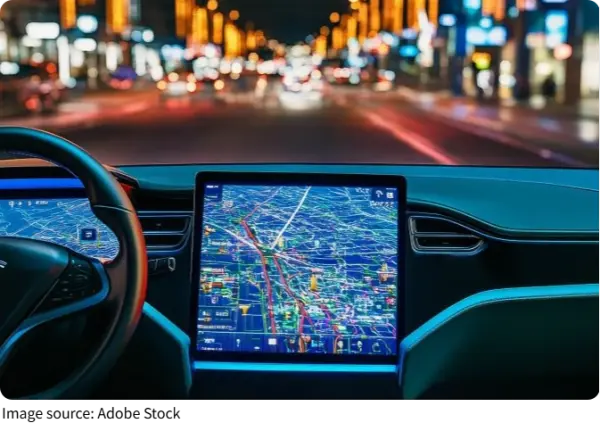
Not long ago, cars were judged mainly by horsepower, design, and fuel economy. Today, they're increasingly defined by software, connectivity, and smart features.
It's no wonder tech giants—companies better known for phones, apps, and cloud services—are now making bold moves into the automotive world.
The result? A wave of cross-industry partnerships that's reshaping what we think of as a "car."
Why Tech Giants Care About Cars
The car is no longer just transportation—it's becoming the ultimate mobile device.
1. Vehicles are evolving into rolling computers, packed with sensors, processors, and software.
2. Connectivity is turning cars into platforms for apps, entertainment, and commerce.
3. Autonomous driving promises a revolution in how mobility is delivered, requiring expertise that traditional automakers alone can't provide.
For tech companies, entering the auto industry isn't a side project—it's a natural extension of their strengths in data, software, and user experience.
Partnerships Driving Innovation
A few tech giants are building entire cars from scratch. Instead, collaboration is the dominant strategy.
1. Cloud providers partner with automakers to handle massive data streams from connected cars.
2. Chipmakers supply the processing power for advanced driver-assistance and infotainment systems.
3. Software firms integrate voice assistants, navigation, and app ecosystems directly into dashboards.
These collaborations bring fresh expertise to an industry that once moved slowly, accelerating innovation in everything from safety to entertainment.
The Dispute Over the Dashboard
The dashboard is emerging as the new differential. Whoever controls the interface controls the customer relationship.
1. Infotainment systems are now expected to work seamlessly with smartphones, music services, and navigation apps.
2. Voice assistants reduce distraction, letting drivers control more features hands-free.
3. Digital marketplaces inside cars open the door to new revenue streams—from streaming subscriptions to shopping.
For automakers, the risk is clear: lose the dashboard, and you risk becoming a hardware provider while tech firms own the user experience.
Opportunities in Electric Vehicles
The shift toward electric vehicles (EVs) is another reason tech firms are piling in.
1. Battery management and energy optimization are software-heavy challenges.
2. EVs rely on constant updates, making over-the-air software delivery a core requirement.
3. Charging networks and smart grid integration offer opportunities for companies already strong in energy data and cloud computing.
In EVs, the line between carmaker and tech company blurs more than ever.
Challenges on the Road Ahead
Of course, blending two massive industries isn't without friction.
1. Cars face stricter safety regulations than consumer electronics, slowing product cycles.
2. Data privacy in vehicles is sensitive—drivers want personalization without feeling surveilled.
3. Automakers and tech firms must learn to share control, a difficult balance in partnerships where both want center stage.
These challenges mean the road ahead will include detours and compromises.
What It Means for Drivers
For consumers, these crossovers promise exciting changes.
1. Cars that update themselves overnight, gaining new features just like smartphones.
2. Safer driving, thanks to real-time navigation, predictive maintenance alerts, and smarter assistance systems.
3. A more personalized experience, where the car recognizes your preferences for music, climate, or even driving style.
At the same time, drivers may need to weigh new questions about data sharing, subscriptions, and the long-term reliability of software-driven features.
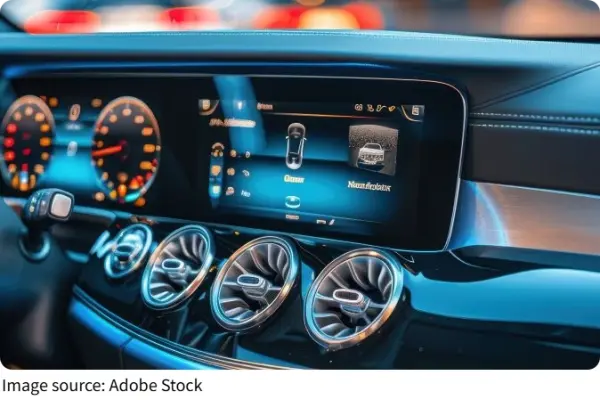
The arrival of tech giants in the automotive space signals a future where cars are less about engines and more about ecosystems. It's a shift that will reward companies able to merge mechanical excellence with digital brilliance.
For drivers, it means the next car you buy might feel less like a vehicle and more like a connected partner—updating, adapting, and evolving long after it leaves the dealership. And that's a road worth watching.