Digital Shifts in Used Cars

Chandan Singh
| 04-01-2026
 · Automobile team
Imagine shopping for a used car the old way—visiting lots, scanning newspaper ads, and relying on word-of-mouth.
Now picture doing the same search from your phone: instant listings, price comparisons, virtual tours, even digital paperwork.
That's the potential of a digital used car market. It's not just convenience; it's a full-scale transformation of how buyers and sellers connect.
Breaking Down Traditional Barriers
For decades, the used car market has had a reputation problem. Buyers feared hidden damage, inflated prices, and limited transparency. Sellers struggled to find serious buyers without sinking time and money into ads. Digital platforms chip away at those barriers.
1. Online listings standardize details—mileage, service records, accident history—so buyers can compare apples to apples.
2. Digital payment and escrow systems reduce fraud, giving both sides peace of mind.
3. Ratings and reviews build trust in sellers, something physical lots rarely offer.
The result is a marketplace that feels less like a risk and more like a well-informed decision.
Data as the New Currency
What makes digital platforms powerful isn't just access—it's data.
1. Pricing algorithms crunch thousands of transactions to show what a specific model is really worth in today's market.
2. Predictive tools help sellers set realistic prices, avoiding months of sitting unsold.
3. Buyers can track depreciation trends, spotting when it's smartest to buy.
Data transforms negotiation from guesswork into informed dialogue, saving time for both sides.
Virtual Experiences Boost Confidence
One of the biggest hurdles in used car sales is uncertainty. Digital tools reduce that anxiety by letting buyers “see” more before setting foot on a lot.
1. 360-degree photos and video walkarounds reveal details traditional ads miss.
2. Virtual reality and augmented reality tools are starting to let buyers explore interiors and exteriors almost as if in person.
3. Remote inspections—done by certified mechanics with reports uploaded online—add another layer of confidence.
These features turn skepticism into trust and curiosity into serious intent.
Faster, Smoother Transactions
Paperwork has always been the part everyone dreads—titles, financing, registration. Digitalization streamlines the whole process.
1. E-signatures let buyers complete documents from home.
2. Online financing approvals speed up what once took days.
3. Digital title transfers and registration services are emerging, reducing the need for long waits at offices.
Convenience isn't just a perk—it's a competitive advantage that keeps customers loyal to digital-first platforms.
Expanding Reach Beyond Local Lots
Traditional used car shopping was limited to what was within driving distance. Digital platforms open the doors much wider.
1. Buyers can browse nationwide or even international inventories.
2. Sellers gain exposure to a larger pool, increasing chances of a fair price.
3. Logistics companies now integrate directly with platforms, arranging transport as part of the sale.
The pool is no longer shallow; it's an ocean. And that scale benefits everyone.
Challenges Still Ahead
Of course, digital transformation isn't a magic wand. Some hurdles remain.
1. Trust requires more than technology—clear standards and enforcement are still essential.
2. Not every buyer is comfortable making such a big purchase without in-person checks.
3. Market players must balance efficiency with consumer protection, ensuring that speed doesn't compromise safety.
The path forward requires combining digital innovation with practical safeguards.
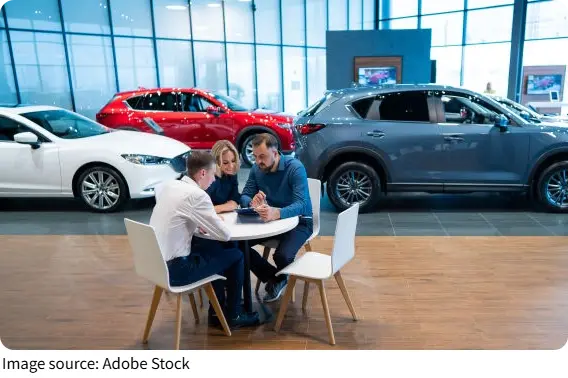
The used car market is standing at a crossroads. On one side is the old image of haggling on dusty lots; on the other is a data-driven, transparent, and nationwide digital system. The potential isn't just about buying cars faster—it's about building a market where confidence replaces suspicion, and where the experience feels as modern as any other online purchase.
For buyers and sellers willing to embrace it, the digital shift isn't just a trend. It's the future of mobility commerce, already revving its engine.