Motorcycles and the Economy

Chris Isidore
| 04-01-2026
 · Automobile team
Walk into a dealership during a booming economy, and you'll see shiny motorcycles leaving the floor faster than they arrive. Visit the same shop during a slowdown, and the bikes may sit, gathering dust.
Motorcycles aren't just machines—they're reflections of the economic environment. How people spend, save, and dream about freedom on two wheels is deeply tied to the state of the economy.
Income and Affordability
At the most basic level, motorcycle demand moves with disposable income.
1. When wages rise, and people feel secure in their jobs, they're more likely to buy motorcycles—whether for commuting or as a second “fun” vehicle.
2. In tougher times, potential buyers may delay big purchases, focusing instead on essentials like rent and groceries.
3. Financing plays a role too: low interest rates make bikes more affordable, while higher rates push them out of reach.
In short, people ride more confidently when their wallets feel the same way.
Fuel Prices and Commuting Costs
Motorcycles shine when fuel prices rise. They're often far more efficient than cars, and that becomes attractive when filling a tank starts to sting.
1. Daily commuters look to motorcycles and scooters as cheaper alternatives for city travel.
2. Delivery riders, who log thousands of miles, directly benefit from the fuel savings.
3. Even recreational riders justify a purchase when they can argue, “It saves on gas.”
In this sense, motorcycles aren't just about lifestyle—they're practical responses to changing fuel economics.
Urbanization and Mobility
Economic growth often means busier cities, and motorcycles fit neatly into that puzzle.
1. Traffic congestion pushes commuters toward smaller, more maneuverable vehicles.
2. Limited parking in urban centers makes motorcycles more appealing than bulky cars.
3. Growth in service industries—especially food delivery and courier work—creates steady demand for two-wheel transport.
As cities expand, motorcycles become less of a luxury and more of a necessity.
Luxury vs. Utility Markets
Not all motorcycles serve the same audience. The economy affects segments differently.
1. Entry-level commuters and scooters sell best when budgets are tight—people need reliable, affordable transport.
2. High-end touring bikes and performance models thrive during economic booms, when buyers have extra cash for hobbies.
3. Mid-range models sometimes struggle, squeezed between practical needs and luxury desires.
The shape of the economy decides whether bikes are viewed as tools, toys, or both.
Aftermarket and Service Opportunities
Even when new bike sales dip, the repair and maintenance sector often grows.
1. Riders hold onto existing motorcycles longer during downturns, investing in upkeep instead of buying new.
2. Accessory markets—helmets, jackets, performance parts—still see activity, as smaller purchases feel more manageable.
3. Shops that diversify into used bikes or rentals can cushion against dips in new sales.
The broader motorcycle economy doesn't disappear during hard times—it simply shifts focus.
Global Supply Chains and Pricing
Economic environments also affect the cost side.
1. Rising raw material costs—like steel or rubber—push up bike prices, testing customer budgets.
2. Supply chain disruptions slow deliveries, making certain models scarce and more expensive.
3. Exchange rates impact imported bikes, influencing which brands thrive in a given year.
A strong economy smooths these bumps; a weak one magnifies them.
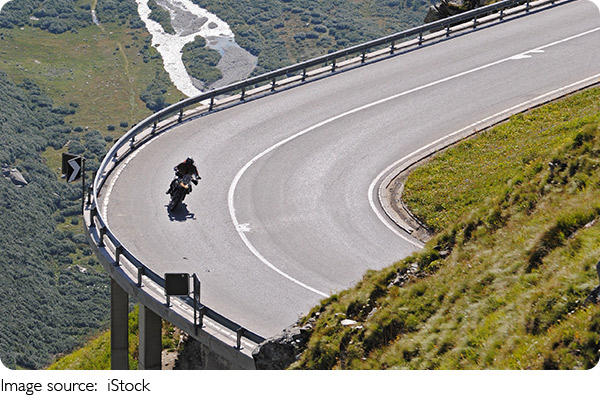
Motorcycles sit at the intersection of necessity and desire. They can be tools of survival in cities or symbols of freedom on open roads. And that dual role makes them deeply sensitive to economic tides.
For riders, understanding this link explains why prices rise, financing shifts, or dealerships seem busier one year than the next. For businesses, it's a reminder that success means reading not just the road ahead, but the economy as well.
Whether the economy is climbing or stumbling, the motorcycle industry always finds a way to adapt—proof that two wheels remain one of the most resilient ways to move through uncertain times.