Cars Designed for Seniors

Chandan Singh
| 31-12-2025
 · Automobile team
Imagine your elderly parent is behind the wheel again, heading out to run errands.
You trust their driving skills, but have you thought about how the car could better support them in staying safe on the road?
For older drivers, getting into and driving a car can present unique challenges. Aging can affect vision, hearing, mobility, and reaction times, making driving more difficult. Thankfully, car manufacturers are increasingly designing vehicles with these challenges in mind, making it easier and safer for older drivers to maintain their independence. Let's understand the features and innovations that help older drivers stay safe and comfortable behind the wheel.
1. Simplified Controls for Easier Use
As we age, fine motor skills can decline, making it harder to operate complex car controls. Car manufacturers have responded by introducing more intuitive and easy-to-use systems. The goal is to minimize distractions and make essential functions more accessible.
Example: The Toyota Avalon features large, well-labeled buttons for critical functions like air conditioning, volume control, and navigation. It also offers a touch screen with simplified menus, reducing the number of steps required to adjust settings. By offering large, clearly marked buttons and user-friendly interfaces, this car ensures that elderly drivers can focus on the road instead of fiddling with complicated controls.
2. Enhanced Visibility for Safer Driving
Decreased vision is one of the most common challenges faced by elderly drivers. Many older adults experience diminished peripheral vision, difficulty seeing at night, or trouble detecting obstacles. To combat this, modern cars are incorporating advanced visibility enhancements.
Example: The Subaru Legacy offers features like adaptive headlights that adjust their angle depending on the car's speed and steering, improving nighttime visibility. Additionally, the car's large windows and rearview camera system make it easier to spot pedestrians and other vehicles, reducing blind spots. These features significantly enhance the driver's ability to navigate safely in various driving conditions.
3. Advanced Safety Features for Peace of Mind
Safety is always a top priority, but for older drivers, it can be even more critical. As reaction times slow and cognitive function may decline, having additional safety features can make all the difference. These features help prevent accidents before they happen and provide extra protection if an incident occurs.
Example: The Volvo XC90 is equipped with a robust suite of safety features, including automatic emergency braking, lane-keeping assist, and collision warning. These systems work together to detect potential hazards and either alert the driver or take corrective action. For elderly drivers, these technologies provide reassurance, knowing that the car will step in if needed, reducing the risk of accidents caused by delayed reactions.
4. Comfortable Seating for Reduced Strain
Getting in and out of a car can become more difficult as people age, especially for those with joint pain, arthritis, or other mobility challenges. Therefore, senior-friendly car designs prioritize comfort and ease of entry and exit.
Example: The Honda CR-V offers a slightly higher seating position that makes it easier for seniors to get in and out of the vehicle without straining their joints. The seats are designed with extra padding and lumbar support, reducing pressure on the back and providing more comfort during long drives. This feature is perfect for older drivers who experience discomfort when bending or twisting to enter a car.
5. Smart Parking Assistance
Parking can be a particularly challenging task for older drivers, especially in crowded or tight spaces. Parallel parking and reversing can strain vision and coordination, leading to accidents or near misses. Fortunately, many modern cars come equipped with smart parking technologies to ease this process.
Example: The Ford Escape includes an advanced parking assist feature that helps elderly drivers park with ease. The system automatically detects a parking spot and can steer the car into place without the driver having to make complicated maneuvers. With sensors and cameras, the system also provides real-time alerts if the car gets too close to an obstacle, offering extra guidance during parking.
6. Voice Control and Hands-Free Operation
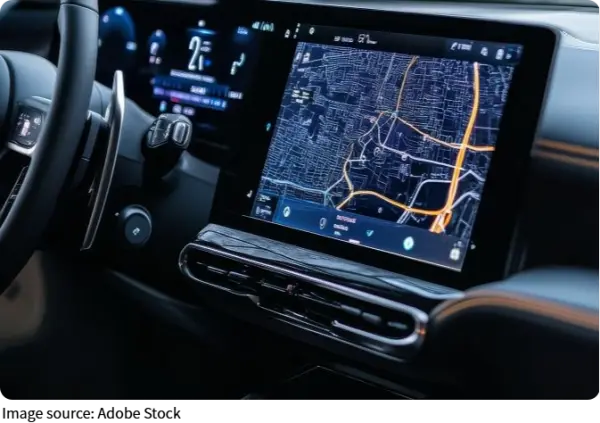
Driving requires constant attention to the road, and it can be especially challenging for older drivers to juggle multiple tasks, such as adjusting the radio or making phone calls. Voice control systems are an innovative solution that enables drivers to keep their hands on the wheel while still controlling the car's features.
Example: The BMW 7 Series offers a high-tech voice control system that allows the driver to operate everything from navigation to climate control simply by speaking commands. The system is designed to recognize natural language, so the driver doesn't need to memorize specific phrases. This technology allows elderly drivers to stay connected and in control without taking their eyes off the road.
As we age, maintaining independence and staying active is important—and for many, driving is a key part of that. Fortunately, the automotive industry is evolving to meet the needs of older drivers, with features that enhance safety, comfort, and ease of use. From simplified controls and improved visibility to advanced safety technologies and smart parking assistance, modern vehicles are becoming increasingly senior-friendly.
By incorporating these innovations, manufacturers are ensuring that elderly drivers can continue to enjoy the freedom of the road while minimizing risks. So, the next time you consider a vehicle upgrade, think about how it can make the driving experience safer and more accessible for the senior driver in your life.