Japanese Bikes

Pardeep Singh
| 17-03-2026
 · Automobile team
Walking through a motorcycle showroom, one brand seems almost everywhere: the Japanese manufacturers.
From city commuters to high-speed sport bikes, these motorcycles dominate roads and sales charts.
Their popularity isn't accidental; it comes from decades of engineering expertise, attention to detail, and understanding what riders really want. For anyone curious about why these brands stand out, the reasons go beyond flashy marketing.
Engineering Excellence
Japanese motorcycles are built for consistent performance. Manufacturers like Honda, Yamaha, Kawasaki, and Suzuki invest heavily in research and testing to ensure engines are smooth, reliable, and efficient.
Honda CB series bikes, for example, are renowned for near-flawless reliability. Riders report thousands of miles without major issues, making these bikes ideal for daily commuting and long rides.
Yamaha sport bikes are praised for precise handling and balanced chassis design. Even beginner-friendly models, like the MT-03, offer advanced engineering features that make learning easier.
Actionable example: If you're considering a first bike, look for models with a track record of longevity. Reading user forums or reviews that detail mileage before major servicing can highlight which Japanese models truly deliver reliability.
Innovative Technology
Innovation has always been a key factor in Japanese motorcycles' market dominance. From fuel injection systems to traction control, these bikes often introduce technology that trickles down from high-end sport models to commuter-friendly machines.
Kawasaki Ninja 400 features ABS, a digital display, and smooth fuel injection that improves performance while keeping the bike manageable for beginners.
Suzuki GSX-R series introduced electronic throttle control and slipper clutches to improve acceleration control, even under aggressive riding conditions.
Actionable example: Test-ride a bike with modern electronics. Pay attention to features like ABS and throttle response; noticing how they assist your control can show why these technologies appeal to a broad range of riders.
Wide Model Range
Japanese brands dominate the market partly because they offer bikes for every type of rider. From lightweight commuters to heavyweight cruisers, there's something for everyone.
Honda has commuter-friendly options like the CB125F and adventure bikes like the Africa Twin, ensuring beginners and experienced riders can find a suitable match.
Yamaha provides a spectrum from the small MT-03 to the high-performance R1 sportbike, allowing riders to stay loyal to the brand as their skills grow.
Actionable example: Identify your riding goals—city commuting, weekend touring, or track days. Then select a brand that offers multiple models, so your first bike can be complemented by a higher-capacity model later.
Global Support and Parts Availability
Another advantage is the support network. Japanese motorcycles have widespread dealerships and service centers, making it easy to find parts and professional service anywhere.
Kawasaki and Honda parts are commonly stocked, which reduces downtime and maintenance costs. Mechanics are usually familiar with these brands, so repairs are faster and more reliable.
Actionable example: Before buying, check local service centers and parts availability for your chosen model. Easy access to maintenance ensures a smoother ownership experience, especially for new riders.
Resale Value and Longevity
Reliability and brand reputation translate directly into resale value. Japanese motorcycles tend to maintain higher resale prices due to consistent performance and customer trust.
Honda and Yamaha bikes often resell at 60-70% of their original price after a few years, especially if maintenance records are kept. This makes upgrading or changing bikes easier without losing money.
Tim Fox, research manager of the powersports practice at J.D. Power, states that "if you make a superior product, consumers are willing to pay a higher price for it because they believe it to be an excellent value."
Actionable example: Keep service records and follow the manufacturer's maintenance schedule. Maintaining your bike properly ensures both safety and strong resale value, a factor that Japanese brands support with durable engineering.
Japanese motorcycles dominate for clear reasons: engineering reliability, technological innovation, diverse models, strong support networks, and high resale value.
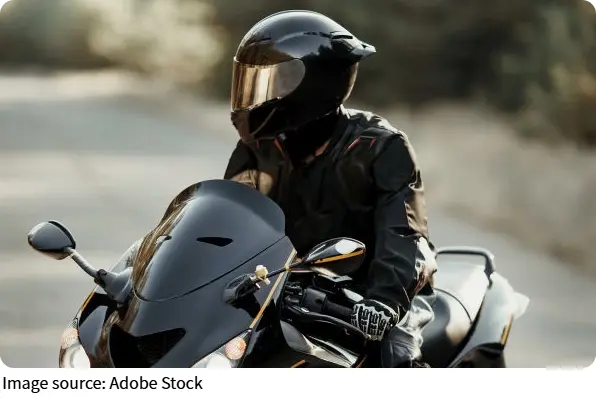
Their approach appeals to both first-time riders and experienced motorcyclists, creating a cycle of trust and satisfaction. For anyone entering the world of motorcycles, understanding these factors helps explain why these bikes often become lifelong companions rather than just temporary choices.
Choosing a Japanese motorcycle today can be more than a purchase—it's an investment in confidence, performance, and riding pleasure.