Lane-Assist Prevents Crashes

Pankaj Singh
| 16-03-2026
 · Automobile team
You're cruising on the highway, music playing softly, traffic flowing smoothly.
For a second, your attention drifts—maybe you glance at the navigation screen or adjust the air conditioning. Suddenly, a gentle vibration in the steering wheel pulls you back.
The car nudges itself slightly, guiding you back to the center of your lane. That small correction might have just prevented a serious accident.
Lane-assist systems are designed for exactly these moments. They don't replace drivers, but they act as a quiet backup, stepping in when human focus slips.
1. How Lane-Assist Systems Work
Lane-assist systems use cameras, usually mounted near the windshield, to monitor lane markings on the road. Some vehicles also combine radar or lidar sensors and steering input data to improve accuracy.
Here's what typically happens:
- The camera detects lane lines and tracks the vehicle's position.
- If the car begins drifting without a turn signal, the system sends a warning.
- If the driver doesn't respond, the system gently adjusts the steering to guide the vehicle back.
This isn't aggressive steering. It's subtle and controlled, just enough to correct unintended movement.
Actionable example: The next time you're driving on a clearly marked highway, notice how the system reacts when you slightly approach the lane line without signaling. You'll feel the warning before any major drift happens. Understanding that feedback helps you trust—but not rely entirely on—the system.
2. Preventing Unintentional Lane Departure
Many serious accidents happen because of unintentional lane departure. Fatigue, distraction, or momentary inattention can cause a vehicle to cross into another lane.
Lane-assist systems are particularly effective in reducing this risk. They provide:
- Early warning alerts through sound or vibration.
- Steering correction to keep the vehicle centered.
- Continuous monitoring at highway speeds.
Actionable example: On long trips, use lane-assist as a fatigue indicator. If warnings start triggering frequently, it's a clear sign to pull over and rest rather than pushing through tiredness.
3. Enhancing Highway Safety
Highways present unique risks: higher speeds mean less time to react. At 65 mph, even a brief distraction can cause significant lateral movement.
Lane-assist systems help maintain lane discipline, which reduces side-swipe collisions and unintended merges. They are especially helpful when:
- Driving at night with limited visibility.
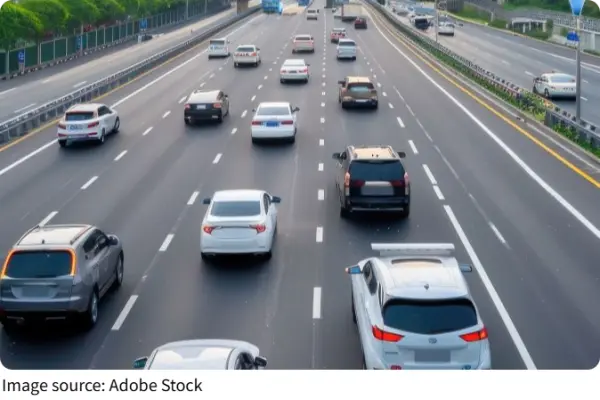
- Navigating wide, multi-lane highways.
- Traveling in moderate traffic where small drifts matter.
Actionable example: Before a highway trip, check that lane markings are clearly visible and your windshield is clean. Dirty glass can reduce camera accuracy, limiting system effectiveness.
4. Supporting, Not Replacing, the Driver
Lane-assist is a driver assistance feature, not autonomous driving. Hands should remain on the steering wheel, and attention must stay on the road.
Modern systems often include steering wheel sensors that detect hand presence. If you remove your hands for too long, the system will alert you and may disengage.
This design ensures the driver remains responsible while benefiting from technological support.
Actionable example: During your first experience with lane-assist, practice light steering input while the system is active. Feel how it resists strong drifts but allows intentional lane changes when you use your turn signal. This builds familiarity and confidence.
5. Integrating with Other Safety Systems
Lane-assist works best when combined with adaptive cruise control and automatic emergency braking. Together, these systems create a more comprehensive safety net.
For example:
- Adaptive cruise control maintains safe following distance.
- Lane-assist keeps the vehicle centered.
- Automatic braking intervenes if a collision risk appears ahead.
Actionable example: If shopping for a new vehicle, compare models not only by engine size or fuel economy but also by the quality of their driver-assistance package. A well-integrated system can significantly enhance everyday safety.
Lane-assist systems quietly reduce the chances of accidents caused by distraction or fatigue. They do not take over driving but provide a steady hand when attention wavers. By understanding how they work, maintaining clean sensors, and staying engaged behind the wheel, you turn this technology into a powerful safety partner. In moments when focus slips for just a second, that gentle steering correction can make all the difference.