Engine Size and Performance

Chris Isidore
| 17-03-2026
 · Automobile team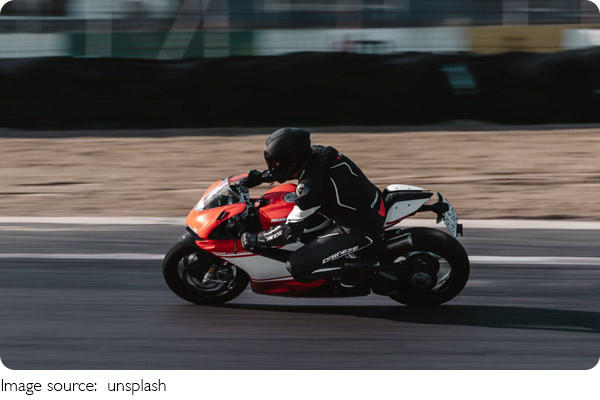
Watching motorcycles roar past on the highway, it’s hard not to notice the difference in speed between a small commuter bike and a full-throttle sport model.
The secret often lies in the engine: engine displacement, measured in cubic centimeters (cc). It directly impacts acceleration, top speed, and overall riding experience.
Understanding how displacement affects performance helps riders make informed choices, whether they seek speed, efficiency, or a balance of both.
Understanding Engine Displacement
Engine displacement refers to the total volume of all the cylinders in a motorcycle's engine. Simply put, it's the space where fuel and air mix to create combustion. The larger the displacement, the more air and fuel the engine can burn, resulting in higher power output.
Example: A 125cc bike is typically suited for city commuting, offering moderate acceleration and top speeds of around 60–70 mph. A 600cc sportbike, in contrast, can reach 150 mph or more, delivering intense acceleration and highway performance.
Actionable Tip: When choosing a bike, consider both your riding environment and experience. Beginners may benefit from smaller displacement bikes, which are easier to control, while experienced riders might prefer higher displacement for open roads or track use.
Impact on Acceleration
Displacement affects how quickly a motorcycle can accelerate from a standstill. Larger engines generate more torque, which translates to faster starts and stronger mid-range power. Smaller engines may require higher revs to achieve similar acceleration, demanding more from the rider.
Example: A 250cc dual-sport bike might take 6–8 seconds to hit 60 mph, while a 1000cc superbike could reach the same speed in under 3 seconds. Riders seeking adrenaline-packed launches often opt for higher displacement engines.
Actionable Tip: Test different bikes at a safe track or empty road to feel how engine size affects launch and throttle response. This firsthand experience helps match displacement to your preferred riding style.
Top Speed and Highway Performance
Engine size also determines a motorcycle's top speed. Bigger engines sustain higher speeds more comfortably and handle prolonged highway riding without strain. Smaller engines, while nimble in traffic, may struggle at sustained high speeds or uphill stretches.
Example: A 125cc commuter bike may plateau at 65–70 mph on highways, whereas a 750cc sportbike maintains 120+ mph with ease. Choosing the right displacement ensures your bike matches your travel needs and terrain.
Actionable Tip: If your daily rides involve highways or long-distance trips, prioritize motorcycles with sufficient displacement to maintain comfortable speeds without over-revving.
Fuel Efficiency Considerations
Higher displacement often comes with higher fuel consumption. Smaller engines are generally more fuel-efficient, making them ideal for city commuting or budget-conscious riders. For example, a 125cc bike can achieve up to 70–80 mpg under optimal conditions, while a 1000cc sportbike might average 30–40 mpg depending on riding style and terrain.
Actionable Tip: Track your average miles and commuting needs. If fuel economy is critical, a moderate-displacement bike can offer a satisfying balance of performance and efficiency.
Handling and Rider Confidence
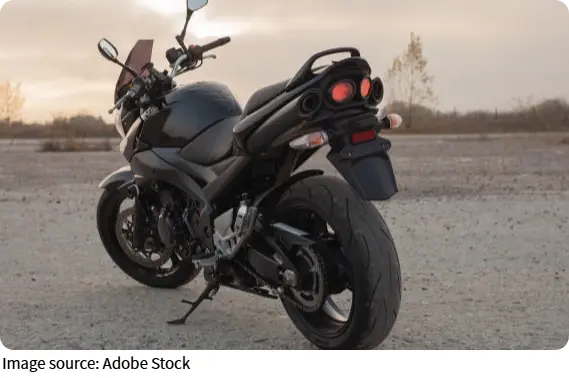
Engine displacement also affects handling. Smaller engines generally produce lighter bikes, easier to maneuver in urban environments. Larger engines often come with heavier frames, requiring more strength and skill to manage, especially at lower speeds.
Example: A 300cc standard bike is ideal for tight city streets, while a 1000cc superbike demands careful handling, particularly in parking lots or crowded areas. Rider confidence often dictates which displacement is most suitable.
Actionable Tip: Consider your comfort and skill level. Test ride bikes of varying engine sizes to feel the weight, stability, and responsiveness before committing.
Choosing the right engine displacement isn’t just about chasing top speed—it’s about matching a motorcycle to your environment, experience, and goals. Smaller engines offer agility and fuel efficiency, ideal for city commuting or learning, while larger engines provide thrilling acceleration and sustained highway performance. Understanding how displacement influences power, speed, and handling allows riders to make informed decisions that enhance safety and enjoyment, making every ride a balanced mix of thrill and control.